

Our Perspective on Premier vs Grand Cru
Why we created Premier vs Grand Cru
One of the questions we hear most often from visitors is surprisingly simple:What is the difference between a Premier Cru and a Grand Cru?
Wine lovers quickly learn that Burgundy's hierarchy is built around vineyard classifications. Yet understanding why one vineyard becomes a Premier Cru while another achieves Grand Cru status is not always easy.
Maps and books can provide explanations, but we believe the clearest answer can be found in the glass.
This is why we created Premier vs Grand Cru.
Our goal was to offer a tasting experience entirely focused on direct comparison, allowing participants to explore Burgundy's hierarchy through the wines themselves.
Why compare wines from the same village?
When a Premier Cru and a Grand Cru come from the same village or vineyard environment, many variables disappear.The grape variety is often the same.
The weather conditions are the same.
The culture and traditions are similar.
What remains is the influence of location, terroir and vineyard classification.
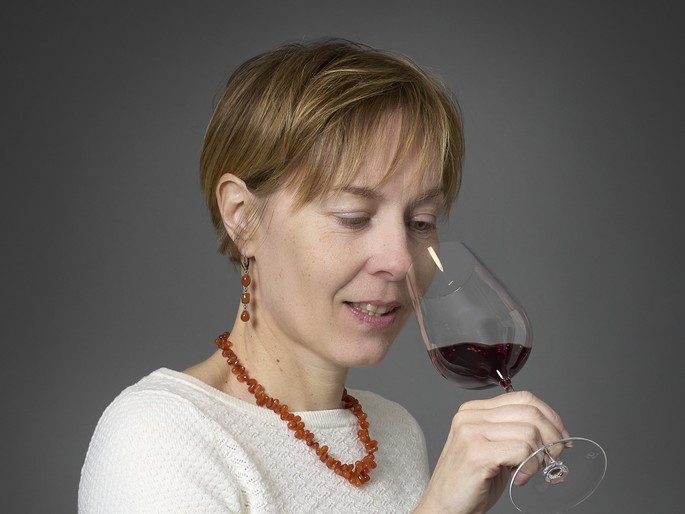
By tasting these wines side by side, participants can identify subtle differences in intensity, complexity, structure, balance and ageing potential.
This comparative approach often reveals more than hours of theoretical explanation.
It is easy to recognise that two wines are different.
It is far more interesting to understand why they are different.
Throughout this tasting, participants discover how neighbouring vineyards can produce wines with distinct personalities and why certain climats have achieved Grand Cru status over the centuries.
Rather than focusing on prestige alone, we focus on understanding.
We chose a different approach.
Each of the six wines has been selected to illustrate a specific comparison between Premier Cru and Grand Cru vineyards.
The objective is not to taste as many wines as possible, but to create clear, meaningful comparisons that help participants understand Burgundy's vineyard hierarchy.
Quality of analysis matters more than quantity.
• want to understand the difference between Premier Cru and Grand Cru vineyards
• enjoy comparative tastings
• are curious about terroir and vineyard classification
• appreciate learning through tasting rather than theory alone.
• wish to focus exclusively on Grand Crus
• prefer a tasting centred on rare or collectible bottles.
They better understand
• why some vineyards are classified as Premier Cru and others as Grand Cru
• the role of terroir in vineyard classification
• the differences between neighbouring vineyards
• how vineyard location influences wine style
• the meaning behind Burgundy's hierarchy.
Most importantly, they leave with a much clearer understanding of Burgundy's most prestigious terroirs.
By comparing wines side by side from the same village or vineyard environment, participants can identify differences in intensity, structure, complexity and ageing potential that are often difficult to perceive when wines are tasted separately.
By concealing the labels, participants focus entirely on what is in the glass and often discover that their preferences do not always correspond to the wines they expected to favour.
The structure of the tasting remains the same, however: three Premier Cru versus Grand Cru comparisons selected to illustrate Burgundy's vineyard hierarchy.
By comparing exceptional vineyards side by side, participants gain a clearer understanding of the factors that distinguish Burgundy's finest terroirs.
Ultimately, this experience is less about identifying which wine is "better" and more about understanding what makes each vineyard unique.
View the Premier vs Grand Cru program
By tasting these wines side by side, participants can identify subtle differences in intensity, complexity, structure, balance and ageing potential.
This comparative approach often reveals more than hours of theoretical explanation.
Understanding Burgundy through comparison
We have always believed that comparison is one of the most powerful learning tools in wine tasting.It is easy to recognise that two wines are different.
It is far more interesting to understand why they are different.
Throughout this tasting, participants discover how neighbouring vineyards can produce wines with distinct personalities and why certain climats have achieved Grand Cru status over the centuries.
Rather than focusing on prestige alone, we focus on understanding.
Why only six wines?
Some tastings include a large number of wines.We chose a different approach.
Each of the six wines has been selected to illustrate a specific comparison between Premier Cru and Grand Cru vineyards.
The objective is not to taste as many wines as possible, but to create clear, meaningful comparisons that help participants understand Burgundy's vineyard hierarchy.
Quality of analysis matters more than quantity.
Who is this experience for?
This class is ideal if you...
• already enjoy Burgundy wines• want to understand the difference between Premier Cru and Grand Cru vineyards
• enjoy comparative tastings
• are curious about terroir and vineyard classification
• appreciate learning through tasting rather than theory alone.
This tasting may not be the best fit if you...
• are completely new to wine tasting• wish to focus exclusively on Grand Crus
• prefer a tasting centred on rare or collectible bottles.
What participants usually take away
After this tasting, participants often tell us that Burgundy's hierarchy finally makes sense.They better understand
• why some vineyards are classified as Premier Cru and others as Grand Cru
• the role of terroir in vineyard classification
• the differences between neighbouring vineyards
• how vineyard location influences wine style
• the meaning behind Burgundy's hierarchy.
Most importantly, they leave with a much clearer understanding of Burgundy's most prestigious terroirs.
Frequently Asked Questions
Do I need prior knowledge of Burgundy wines?
No. While some familiarity with Burgundy can be helpful, the tasting is designed to be accessible to any wine lover interested in understanding the differences between Premier Cru and Grand Cru vineyards.Will I really be able to taste the difference between a Premier Cru and a Grand Cru?
That is precisely the purpose of this experience.By comparing wines side by side from the same village or vineyard environment, participants can identify differences in intensity, structure, complexity and ageing potential that are often difficult to perceive when wines are tasted separately.
Why are the wines tasted blind?
Blind tasting removes the influence of reputation and price.By concealing the labels, participants focus entirely on what is in the glass and often discover that their preferences do not always correspond to the wines they expected to favour.
Are the wines always the same?
No. The specific wines may vary throughout the year depending on availability and vintages.The structure of the tasting remains the same, however: three Premier Cru versus Grand Cru comparisons selected to illustrate Burgundy's vineyard hierarchy.
Can I taste more wines during the experience?
Absolutely. Upon request and when privatizing the tasting, you may enhance the experience with 2, 4 or 6 additional wines. This extended format offers even more opportunities to compare exceptional Burgundy terroirs and deepen your understanding of Premier Cru and Grand Cru vineyards.A different way to understand burgundy
We created Premier Cru vs Grand Cru for wine lovers who want to explore Burgundy beyond labels and classifications.By comparing exceptional vineyards side by side, participants gain a clearer understanding of the factors that distinguish Burgundy's finest terroirs.
Ultimately, this experience is less about identifying which wine is "better" and more about understanding what makes each vineyard unique.
Learn more
If this experience corresponds to what you are looking for, you can view the full program, upcoming dates and booking information directly on the Wine Tasting Classes page.View the Premier vs Grand Cru program